
Resin art starts with the right blank. If the board isn’t built for epoxy, you’ll fight it the whole way — runoff, uneven coverage, edges that don’t hold.
Our boards are sourced specifically for resin work. Canadian hardwood, rounded edges, smooth surface. Wholesale pricing with a 24-board minimum per model.
New to pouring on wood? Start with our resin art on cutting boards guide — it covers the mistakes that wreck a first pour.
Why Hardwood Works for Resin
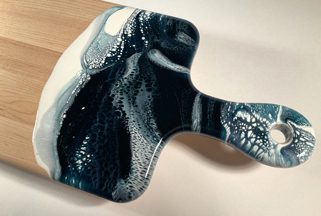
Canadian maple cutting board blank finished with an epoxy resin pour. Rounded edges hold the resin in place for a clean result every time.
Maple is tight-grained and dense. Resin sits on it the way it’s supposed to — no dry spots, no grain pulling the pour in unexpected directions. It doesn’t flex while your piece cures. Sands cleanly if you need to prep the surface before pouring.
Softwoods absorb. Bamboo splinters. Maple holds.
Walnut is worth knowing about if the wood is part of the visual. Dark grain under a clear or lightly tinted resin creates a completely different look than maple. Some artists specifically want that contrast — the wood shows through and becomes part of the finished piece rather than just a surface to pour on. That’s a different result than anything maple gives you and some buyers come to us specifically for it.
Cherry sits between the two. Warm reddish tone, tighter grain than walnut. Works well for pours where you want the wood visible but maple feels too plain and neutral. Less common in resin art which means finished pieces on cherry actually stand out at a market or in a shop.
Not sure maple’s right for your work? We broke down maple vs. cherry vs. walnut for resin so you can pick before you order.
Maple
Light, creamy surface. Best resin contrast of the three. Most forgiving for beginners. Works with any pour style.
Best for: most resin work, opaque pours, tinted epoxy
Cherry
Warm reddish tone that deepens over time. Wood grain shows through clear resin beautifully. Stands out at markets.
Best for: clear or lightly tinted pours, gift pieces
Walnut
Dark dramatic grain. Under clear resin the wood becomes part of the art. Lower contrast but striking finished look.
Best for: clear resin, wood-forward designs, premium pieces
What Makes Our Boards Different
Most cutting boards are made for kitchens. These aren’t.
Rounded edges and corners. Epoxy flows to the edge and slows instead of running straight off the corner. Cleaner edges, less waste, fewer drips down the side. This sounds small until you’ve lost a pour because the board had a sharp corner.
Smooth maple surface. Consistent absorption across the whole board. No surprises mid-pour. No dry patches where the resin behaves differently in one spot versus another.
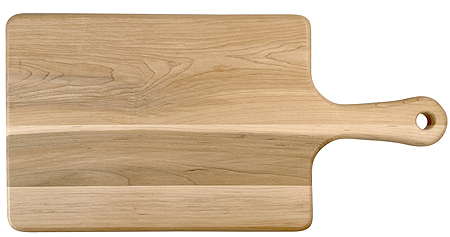
Bread Cutting board for resin and epoxy art.
No flex while curing. A board that moves during cure time causes cracking and adhesion failure. Our boards stay flat under normal conditions.
Multiple shapes and sizes so you can match the board to the piece instead of forcing your design to fit a standard rectangle.
Surface Prep
Our boards ship sanded and ready to use. You don’t need to strip them down or do major work before your first pour.
Most experienced resin artists still do a light pass with 220 grit before pouring. Opens the surface slightly, improves adhesion. Takes a few minutes. On detailed work it makes a real difference and most people who’ve skipped it once don’t skip it again.
If you’re sealing before the main pour — and on larger pieces you probably should be — a thin coat of the same resin works well on maple. Let it cure fully. That seal coat stops air bubbles coming up from the wood mid-pour, which is the thing that ruins a large piece and can’t be fixed after the fact.
Walnut and cherry have natural oils that can interfere. Wipe with isopropyl alcohol before your seal coat. Simple fix, worth doing every time on those two species.
Boards We Carry for Resin Work
Eight models built or well-suited for epoxy and resin art. All Canadian maple unless otherwise specified.
Paddle Board — Small
6″×15″Good starting point for smaller pours and gift-sized pieces. Handle makes it easy to move while wet.
Paddle Board — Large
6″×20″Same shape, more surface area. Popular with artists who sell a range of sizes at markets.
Wider paddle format. Good for landscape-style pours with more horizontal space.
Thinner profile, lighter finished piece. Different feel when someone picks it up.
Handle cutouts on both ends. Works well for display and looks distinctive as a finished piece.
Long narrow format. Artists who use it tend to love the finished look. Distinctive on a market table.
Generous pour space. Right board when you want room for a complex design without feeling cramped.
Compact. Good for detailed work and smaller pieces. Easy sell at a lower price point.
Not sure which shape fits your project? Reach out and we’ll help you figure it out.
Want the full rundown on what makes a good blank? Here’s our guide to wood blanks for resin art.
If You’re Selling Finished Pieces
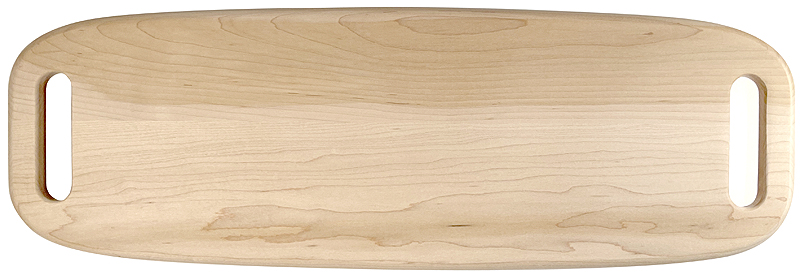
Charcuterie Serving Tray for Resin and epoxy Art with handles
A lot of our resin art buyers are running a business. Etsy shops, craft markets, commissioned work, workshop instruction.
Buying wholesale and selling finished pieces is where the margin is. At 24 boards per model you’re getting a real wholesale price, not a retail markup with a small discount applied. The gap between what you pay per blank and what a finished resin board sells for at a market or on Etsy is real money. Artists who know their cost per piece pay close attention to what the blank costs.
If you’re running workshops, a single class can cover your 24-board minimum. You’re not sitting on inventory for months waiting to use them up.
Who Orders From Us
Hobbyists running small batches who want consistent blanks without paying retail. Etsy sellers restocking every few months. Craft studios ordering for regular workshops. Art centers running group classes. Artists scaling up from sourcing boards one at a time.
The 24-board minimum per model is low enough that you’re not sitting on dead inventory, and high enough that you get a real wholesale price. Mix models in one order — you don’t need to stick to one style.
Common Questions From Resin Artists
Are the edges rounded?
Most of our resin-specific boards have rounded edges and corners. Epoxy slows at the edge instead of running off.
Do the boards need sanding before use?
They ship ready to use. Most artists do a light grit pass anyway. For walnut and cherry wipe with isopropyl alcohol before your seal coat.
Can I mix different models in one order?
Yes. 24-board minimum per model, mix as many models as you want.
Do you carry walnut or cherry for resin?
Yes, available on request. Walnut especially for pours where the wood grain is meant to show through. Contact us for availability and pricing.
Do you offer laser engraving?
Not in-house. We work with engravers who handle this and can connect you if needed. The laser engravers page has more detail on what engravers look for in a blank.
Can I get a sample first?
Yes. Reach out before your first full order if you want to see the board in person.
Do you ship across Canada?
Yes. Most orders arrive within a few business days.
Our boards ship smooth and ready for resin. If you want to take the surface further before pouring, here’s how we’d prep a board for epoxy.
How to Order
Browse the boards above or visit the full product catalogue. When you’re ready, submit a quote request and we’ll get back to you with pricing.
Questions about grain direction, surface finish, or thickness — just ask. We know these products well.